Breaking the Silence on Mental Health and Substance Use in Cameroon
Overview
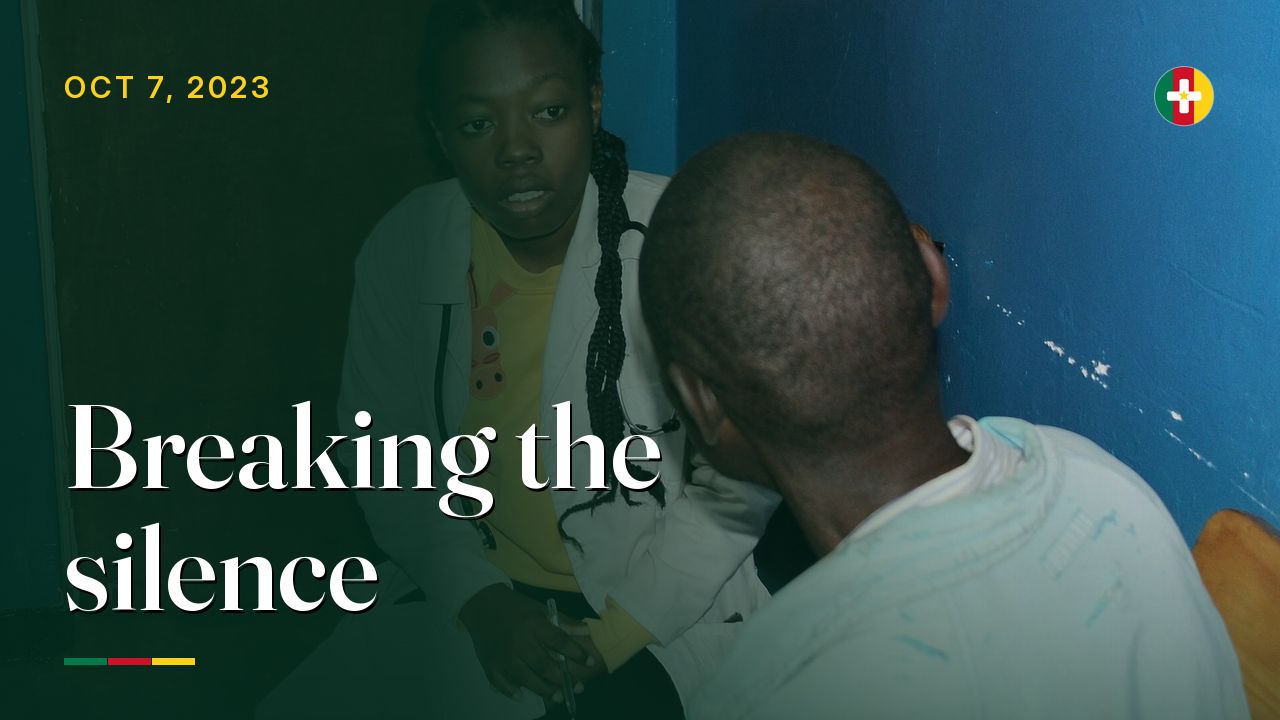
This policy briefing synthesizes key insights from the Cameroon Townhall for Healthcare Professionals meeting held on October 7, 2023 (date estimated), focusing on the theme "Breaking the Silence: Overcoming Stigma and Fostering Resilience in Mental Health, Trauma, Substance Use and Grief in Cameroon," presented by Therese Shalo-Fuh, clinical therapist and founder of Be The Exception Counseling Foundation in Limbe.
Context
Substance use in Cameroon now goes far beyond alcohol and tramadol to heroin, cocaine, methamphetamine and local mixtures, and affects children as young as 8. Services are few, mostly detox without counselling, and stigma keeps people from care. The crisis in the North West and South West has added trauma and displacement.
Key issues
- Scale and new substances. National figures cited: 21% have tried hard drugs and 12,000 children under 15 use narcotics; new mixtures such as 'Thailand' are spreading.
- Stigma. Fear of being labelled 'mad' empties treatment centres and has harmed general clinics linked to mental health care.
- Gaps in services and workforce. Few psychiatrists, psychiatric nurses and psychotherapists; detox is costly and rarely followed by counselling or rehabilitation.
- Weak data. No surveillance or routine drug testing, and drug related deaths may be recorded as road accidents.
- Easy access and weak regulation. Alcohol from age 18, sales near schools and by children, and trafficking that continues after arrests.
Discussion highlights
- Addiction and mental illness are chronic, manageable conditions, not moral failings.
- Schools and parents need agreed rules and early disclosure.
- Religious leaders and traditional healers are often the first contact and need training.
- Participants questioned criminalisation and called for treatment instead of jail.
- Raising the drinking age and tighter border controls were proposed.
Recommendations
- Integrate mental health into primary care. MINSANTE should include screening for depression, anxiety and substance use in district hospitals and health centres, with referral pathways to specialised services. First step: train one nurse per district hospital in the South West and North West, where trauma is highest.
- Expand treatment beyond detox. MINSANTE and regional delegations should support centres that combine detox, medication, counselling and case management, and include them in universal health coverage. First step: an inventory of existing public and private centres and a referral directory.
- Train the mental health workforce. Training schools and universities should expand training of psychiatric nurses, psychologists and addiction counsellors, and add mental health and substance use to the curriculum of medical and nursing students, including support for students' own well-being.
- Strengthen data and drug testing. MINSANTE, with the national anti-drug committee, should set up surveillance of substance use and related deaths, using rapid urine drug screens in emergency units and accurate cause of death recording.
- Tighten regulation and prevention. The government should review the minimum drinking age, enforce bans on sales to and by minors and near schools, and strengthen customs and border controls on trafficking. Schools should adopt parent and teacher agreements on drug use.
- Train religious leaders and community actors. Regional delegations, with diaspora professionals, should add a mental health module to planned trainings for religious leaders, starting with the town hall's North West maternal health training.
Next steps
A mental health module was proposed for the planned training of religious leaders in the North West. The moderators proposed advocacy with the Minister of Public Health on mental health, the drinking age and trafficking. The Chair invited participants with links to funders to support mental health services.
Conclusion
Mental illness and substance use are a growing and largely hidden emergency among young Cameroonians. Participants agreed that breaking the silence means treating them as health conditions, building services beyond detox, and acting on prevention, data and stigma together.
Meeting minutes
Agenda
- Welcome and check-in with participants, led by Elvis Ndansi
- Opening remarks by the moderators and the Chair, Dr. Munoh Kenne Foma
- Introduction of the speaker by Dr. Bryan Tegomoh
- Presentation by Therese Shalo-Fuh
- Reflections from participants, moderators and the Chair
- Discussion and Q&A, moderated by Dr. Bryan Tegomoh
- Closing remarks and adjournment
Opening remarks
- The Chair described a week on the leukaemia service and an 82 year old patient who chose hospice, and Dr. Tegomoh linked this to the mental health crises clinicians and families face.
- A participant recalled that his highly educated mother distrusted the medical system and refused mental health care; Elvis Ndansi noted that 'emotions don't go to school'.
- Elvis Ndansi recalled an earlier session on substance abuse that described a centre in Buea and Douala seeing many young people under 19. Dr. Tegomoh said Cameroon lacks the diagnostic and surveillance capacity (such as the wastewater surveillance used in the US) to measure the problem, so only the tip of the iceberg is visible.
- The Chair said mental illness in Cameroon carries more stigma than any other disease, families hide sick relatives, and there is a new wave of substance use, including tramadol. He said there are too few psychiatrists, psychiatric nurses and psychotherapists, no public detox centres, and detox is costly.
Presentation
1. Origins and services of the foundation
Ms. Shalo-Fuh, a therapist for 16 and a half years who began her career in Yaoundé, said she found a serious substance use problem when she returned in 2016 to train students and community health workers at the Delegation of Social Affairs. Be The Exception Counseling Foundation was registered in June 2021 in the US and Cameroon and runs a treatment centre in Mafany, Limbe, with nurses, a doctor on call around the clock, a counsellor and a group facilitator. It offers 15 services, including medical detox, group, individual and family counselling, anger management, five minute urine drug screens for referring hospitals, case management and job skills, and free grief and trauma counselling for orphanages and internally displaced people. It takes no more than five residential clients at a time, and partners with pharmacies, clinics and hospitals in Limbe, now extending to other towns including Buea.
2. Substances in use
She cited WHO 2018 figures of 678 deaths a year from substance use in Cameroon, ranking it 16th in the world, and said it is now 12th. Beyond alcohol, tramadol and tobacco, clients now present with heroin, morphine, cocaine and crack cocaine, methamphetamine, hallucinogens, shisha mixed with other drugs, and local mixtures: 'Thailand' (heroin mixed with cannabis), 'caillou' (cocaine) and 'dry land' (described as ground human bones that are smoked). Many clients who believe they use heroin test positive for morphine.
3. National figures and who is affected
She cited the national anti-drug committee's 2018 figures: 21% of the population had tried hard drugs, 10% were frequent users including 60% of young people aged 20 to 25, and 12,000 children under 15 used narcotics. A UNODC rapid assessment put users between 11 and 40 years old. Her youngest client was 8 or 9 and the oldest 52. She said use has risen with the crisis in the North West and South West, and described use among students, motorbike taxi riders who go without sleep for 48 to 72 hours, construction workers, taxi drivers, clergy and professionals, including doctors, lawyers and laboratory staff.
4. Barriers to care
Barriers include poverty, an expectation that counselling should be free, fear of gossip and of being labelled 'mad' or 'a drug addict', lack of family support, and dismissal of distress ('just drink water'). Many seek prayer or traditional healers first. She stressed that addiction and mental illness are chronic conditions that can be managed but not cured, and that most facilities offer only detox ('flushing') without counselling or follow up.
5. Depression, anxiety and trauma
She described students at the University of Buea with suicidal thoughts linked to relationships, poverty and family pressure, and said major depression is often undiagnosed. She outlined symptoms of depression and generalised anxiety, and trauma responses (fight, flight, freeze, fawn). Internally displaced women have turned to sex work and use alcohol and drugs to cope. Childhood trauma affects physical health, emotional regulation, relationships and learning, and men in their 20s and 30s told her they also need to be heard.
6. Effects on families and communities
Parents pay to release children jailed for theft linked to drug use; a 20 year old client was nearly killed after stealing to buy tramadol. Young people drop out of school, turn to online scams, and violence in schools is rising. Families are left exhausted and afraid.
7. What works
She called for evidence based care combining medication, psychotherapy, social support and case management, partnerships with the delegations of Social Affairs, Youth and Civic Education, Public Health and Women's Empowerment, school outreach and meditation, and teaching self care. She said former clients now work as teachers and IT technicians and a pastor returned to his church, with continued counselling and random drug tests.
Discussion and Q&A
- Elvis Ndansi to Dr. Kenji: is the spread of drugs targeting African youth a form of deliberate harm, and how should it be treated? Dr. Kenji said it is a global problem, as with fentanyl in the US, and that the world mobilises against infectious agents but neglects drugs. He called for leaders to declare it a public health emergency. Elvis Ndansi added that Cameroon has moved from a transit route to a destination for drugs, and that deaths of intoxicated motorbike riders may be recorded as road accidents, so the true toll may be higher than recorded.
- Dr. Tegomoh: what systemic changes would reduce stigma, and what can be learnt from other countries? She said change starts at home by listening to relatives, and that families should value treatment over material spending. Ghana and Uganda face similar stigma and beliefs about curses, while Kenya has more holistic treatment centres. Centres should see each other as referral partners, not competitors.
- A discipline master at a mission secondary school in the South West: parents hide students' drug use at admission. What can schools do? She suggested a parent and teacher agreement signed at enrolment, setting rules on drug use, violence and disclosure, presented at the first PTA meeting of the year.
- A physician in the North West: are services planned for the North West? She said clients already come from Bamenda to Limbe, but she will not open a centre there yet because stigma keeps even the Limbe centre often empty despite radio, TV and press campaigns. Elvis Ndansi said the Unite for Health Foundation clinic in Bamenda lost patients after hosting a detox service and being labelled a 'mad people's clinic', and that the name Jamot hospital carries similar stigma.
- A participant: alcohol and cigarettes are sold by children and in schools and offices, and peer pressure normalises use. Can this be managed? She said change comes one person at a time and that former clients have rebuilt their lives despite being shunned for quitting. Elvis Ndansi said the legal drinking age in Cameroon is 18 and proposed raising it to 21, noting that children often drink and are sent to buy alcohol and cigarettes. Dr. Tegomoh said reviewing age limits and enforcement is a systemic change the Ministry could consider.
- The Chair: should drug use be criminalised, and where would donor funding best be spent? Drawing on nine years in the US justice system, she said people with addiction can change and described overcrowded Cameroonian prisons, including a hungry 16 year old she took into treatment who now works for her. She said 15 people were on her waiting list without means to pay and that funding should cover treatment, case management and outreach, including feeding participants at workshops. Elvis Ndansi called for stronger border controls, customs training and legislation against traffickers. Dr. Tegomoh pointed to NIH funding at NIDA and NIMH.
- A participant from Swansea, UK: can religious leaders be partners? She said yes, if trained, citing a pastor who told a mother to stop her daughter's medicines for depression and schizophrenia, after which she relapsed. Elvis Ndansi said town hall moderators had raised about $3,000 for a training of religious leaders in the North West on maternal health and proposed adding a mental health module.
- A medical student (in the chat): burnout, depression and anxiety among medical students, and changes needed in training She advised tracking how time is spent, prioritising sleep, hydration and exercise, limiting screen time, and students raising workload concerns with their institutions.
- A participant whose mentor died of substance use: how can we help a health professional who uses substances and knows the risks? She advised a direct, caring intervention citing specific changes, involving family, and framing treatment as time away, giving the example of an executive who entered treatment after a letter from his 9 year old daughter.
- A medical student in Switzerland: comment on pregnancy in school She described menstrual health work in which mothers, the PTA and religious leaders were involved before working with the girls, and two pregnant students now remain in school with community acceptance.
Calls to action and closing
- Elvis Ndansi summarised the session and proposed advocacy with the Minister of Public Health on mental health, raising the drinking age, and interministerial action against drug trafficking.
- The Chair said mental health hospitals in Cameroon are in a deplorable state, asked participants with access to funders to consider mental health, praised the policy allowing pregnant girls to stay in school, and said criminalising health and social problems makes them worse.
- A participant asked whether the town hall would be at the ASTMH meeting in Chicago; Dr. Tegomoh said he would attend but not on behalf of the town hall.
- Ms. Shalo-Fuh said she has funded the work from her own pocket since 2016 and that the first donations, received the previous year, did not come from Cameroonians.
Submitted by the Co-Moderators, Cameroon Town Hall for Healthcare Professionals.