Community Micro Clinics and Maternal Health: Lessons from Unite for Health Foundation
Overview
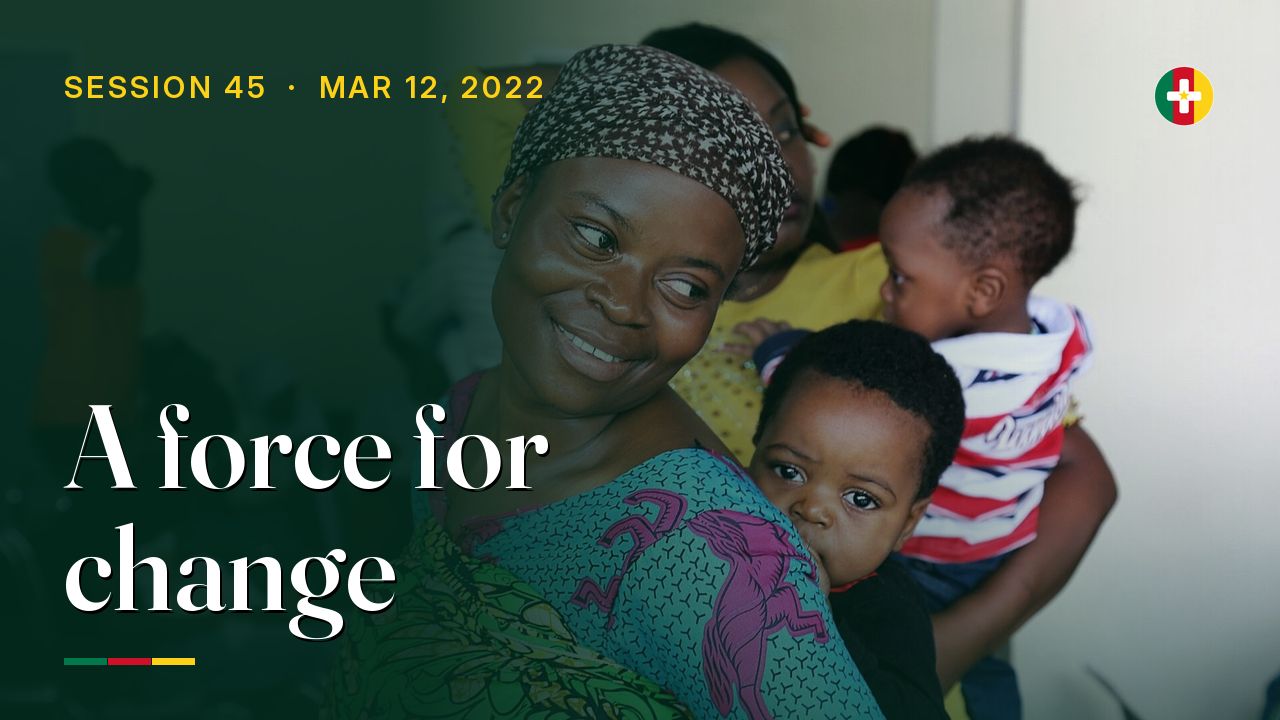
This policy briefing synthesizes key insights from the Cameroon Townhall for Healthcare Professionals meeting held on March 12, 2022 (45th edition), focusing on the theme "Impacting Healthcare in Cameroon: You Can Be a Force for Change" and the work of Unite for Health Foundation.
Context
The session shifted from describing problems to showcasing solutions led by Cameroonians. The Chair reviewed the work of town hall members and past speakers, and Elvis Ndansi presented 15 years of Unite for Health Foundation, which runs micro clinics in Yaoundé (Bonamoussadi), Bamenda and Eloumden (Mbankomo) with a focus on maternal and child health.
Key issues
- Access in last mile communities. Distance, poor roads and insecurity keep people from basic care. Micro clinics with a laboratory, pharmacy and delivery unit placed in underserved communities were presented as a low-cost answer.
- Financial barriers to maternal care. Out-of-pocket fees, deposits and supplies demanded before care begins deter women from antenatal visits and facility delivery. The clinic once held about 150 identity cards left by patients unable to pay.
- The delays in maternal deaths. Participants described delays in deciding to seek care, reaching a facility and receiving adequate care, including staff not trained to identify complications. Tools such as the partograph and fetal Dopplers were cited as simple aids.
- Fragmented responsibility. Roads, water and electricity sit with other ministries, yet maternal deaths are blamed on the health system alone.
- Telemedicine costs. The cost of airtime and data was the main obstacle to telephone consultations during COVID-19.
Discussion highlights
- The foundation reported more than 30,000 people served, over 500 deliveries and no maternal or newborn death in its clinics over 15 years.
- Screenings in churches in 2021 found 41.6% with stage 2 hypertension, 41.2% with obesity and 12% with diabetes, most previously undiagnosed.
- Good relations with health districts were built by joining immunisation campaigns and submitting surveillance data on time.
- Diaspora nurses' groups and individuals offered volunteer time and collaboration.
Recommendations
- Remove payment barriers at delivery. MINSANTE and regional delegations should end the practice of requiring deposits, supplies or identity cards before emergency obstetric care, and expand subsidised delivery for indigent and displaced women. A first step is a circular to facilities on emergency obstetric admission without prepayment.
- Integrate private non-profit clinics into district plans. District health services should formally register community micro clinics as partners for immunisation, surveillance and referral, as done with Unite for Health, and recognise timely data reporting.
- Plan maternal health across ministries. MINSANTE should convene the ministries in charge of public works, water and energy, and transport when planning health districts, so that roads, power, water and ambulance access are budgeted with each facility.
- Train staff on the delays. Hospitals and training schools should make partograph use and recognition of obstetric danger signs routine for nurses and midwives, and equip delivery units with simple tools such as fetal Dopplers.
- Support affordable telemedicine. MINSANTE, with telecom regulators and partners, should explore toll-free or zero-rated numbers for health facility consultations, starting with a pilot in one region.
- Channel diaspora support. Diaspora professionals and associations should partner with established local organisations through the town hall, offering volunteer time, training and equipment to existing programmes.
Next steps
The next session, in two weeks, was announced on child abuse and safeguarding children in Cameroon. Participants were encouraged to contact Elvis Ndansi or the moderators about partnerships with Unite for Health Foundation.
Conclusion
The session showed that well-run community clinics can deliver safe maternal care at low cost when they understand local barriers and work alongside health districts. Removing payment barriers, planning across ministries and drawing on diaspora goodwill could extend these results.
Meeting minutes
Agenda
- Welcome and opening remarks by the lead moderator and the Chair, Dr. Munoh Kenne Foma
- Presentation by Dr. Munoh Kenne Foma: town hall members and past speakers who are bringing change to health care in Cameroon
- Presentation by Elvis Ndansi on "Unite for Health Foundation: Reaching Out to Make Lives Better"
- Remarks from Unite for Health board members
- Discussion and Q&A
- Recap, vote of thanks and next meeting
- Parking lot
Opening remarks
- The meeting marked the 45th edition of the Cameroon Town Hall for Healthcare Professionals.
- The lead moderator explained that past sessions had dwelt on what is not working, and that this session would focus on people already bringing change, under the theme "Impacting Healthcare in Cameroon: You Can Be a Force for Change". She quoted the proverb that instead of cursing the dark, one should light a candle.
- The Chair joined from the hospital. He said there had been few new COVID-19 updates in the previous two weeks, so the session would reflect on where the town hall had come from and how each member could be an agent of change.
- The Chair recalled that the town hall idea was first discussed between himself and Elvis Ndansi before the platform launched, with the lead moderator joining soon after.
Presentation
1. Town hall members as change makers
Dr. Foma presented a summary of work by moderators, past guest speakers and regular participants. He cited, among others, Dr. Bryan Tegomoh's MMWR publications on COVID-19 and his voluntary work with Africa CDC on variant identification; Prof. Charles Wiysonge's Cochrane work and the Cameroonian students he has supported with scholarships in South Africa; Dr. Obadia Mfuh Kenji's seminars for laboratory scientists in Cameroon; neurosurgery training models sent to universities in Buea and Bamenda; surgical outreach by visiting teams; Rural Doctors' work in Limbe, Bamenda and Douala; nurse anaesthetists from the United States training staff in Cameroon; MedRAD's support for sustainable imaging at Baptist Hospital Mbingo; and CamDoc UK's support to hospitals during COVID-19. He said the town hall then had 1,234 participants.
2. How Unite for Health began
Elvis Ndansi said that after earning a nursing degree in 2006 he was posted by the Ministry of Public Health to Bakassi, then a disputed zone with Nigeria, at the age of 23. A journey of under 30 miles could take almost 48 hours, and immunisation trips across the creeks sometimes needed a military escort because of pirates. He said this taught him that people cannot be helped if they cannot be reached. He sold a photocopy machine, rented a single room in Bonamoussadi, Yaoundé, and began treating malaria, typhoid and skin conditions, adding beds and a micro laboratory as demand grew. The foundation was founded and registered in Yaoundé in 2007.
3. Growth of the micro clinic network
A second micro clinic opened in Bamenda two years later and a third in Eloumden, Mbankomo, ten years after the start. The foundation was registered as a non-profit in the United States, headquartered in New York, twelve years in. Each micro clinic offers general consultation, preventive care, women's health, a small laboratory (full blood count, HIV, malaria and other basic tests), a pro-pharmacy stocked from Cameroon's essential drug list, beds for infusions and a delivery unit. The Bamenda clinic has a minor theatre for procedures including caesarean sections, and an ultrasound offered at 3,000 FCFA against a market minimum of about 7,000 FCFA, because the machine was donated.
4. Results reported
Over 15 years, he said, the clinics had provided care to more than 30,000 Cameroonians and delivered more than 500 babies with no maternal death and no newborn death recorded in the clinics. In 2020 a programme funded through the board in the United States allowed close to 100 internally displaced pregnant women to give birth free of charge. The foundation had run more than 100 community outreach programmes. At 2021 church screenings, 41.6% of those screened had stage 2 hypertension, 41.2% clinical obesity and 12% diabetes, most of them previously unaware.
5. Outreach, telemedicine and innovation
A free cervical and breast cancer screening campaign for International Women's Day was running in Bamenda from the 5th to the 31st of the month, with about 50 women screened so far. During COVID-19 the foundation distributed masks and soap and opened telephone and WhatsApp consultations, with clinic numbers posted in Bamenda, Yaoundé and Eloumden. He warned that the cost of airtime and data is the main barrier to telemedicine in Cameroon, as calls dropped and doctors had to call patients back. A mobile app was being built to link blood seekers with donors, with a maternal and child health app planned.
6. Staff development and teamwork
Training was presented as the fourth pillar, since the quality of care depends on the training of doctors, nurses, midwives, laboratory staff and community health workers. The foundation planned to open its seminars to health workers outside its own staff, with partner organisations. He thanked the board, chaired by Florence Buchanan, with Tucker Robbins as treasurer, and members including Dr. Obadia Mfuh Kenji. He invited anyone wishing to open a health facility in their village to partner with the foundation, using a standard micro clinic design with a solar-powered borehole for water and power.
Discussion and Q&A
- Tucker Robbins, treasurer of the board, was invited to speak. He said he had worked with the arts of Cameroon for 30 years, had seen the effects of the conflict, and supported the foundation's work as a contribution to peace.
- Dr. Obadia Mfuh Kenji commented on the presenter's role. He said Elvis Ndansi had persuaded him to study in the Faculty of Health Sciences when he wanted to become a musician, and that board members strongly backed the foundation.
- A participant asked who the foundation's partners are in and outside Cameroon, and whether it plans to expand beyond Cameroon. Elvis Ndansi said the work ran for about ten years without a grant. The first donation came from World Connect (about $3,500, as he recalled). Partners had mostly been individuals, and staff who accept lower pay: nurses earning 50,000 to 80,000 FCFA against about 160,000 in government service. A first institutional partnership, an energy and health project to light homes and provide blood pressure machines in Oku, was in preparation. The micro clinic model and the planned apps are meant to be replicable elsewhere in Africa.
- The moderator asked what the foundation gets right on maternal and child mortality that districts or the ministry could learn from. He said the key is understanding barriers to care. The clinic once held about 150 national identity cards left as security by patients who could not pay; families preferred replacing a card (about 3,500 FCFA) to paying a 15,000 FCFA bill. He compared his wife's US delivery bill of about $27,000 with about $100 in Cameroon to show how financial barriers stop women attending antenatal visits, and said power dynamics in facilities also deter women.
- The Chair, a former district hospital director, described the delays that kill mothers: decisions about attending antenatal care, distance and roads, families asked to buy supplies before care starts, and staff not trained to recognise complications. He recalled introducing the partograph across the North West with Dr. Mbaku. Elvis Ndansi said exposing staff to simple technology helps, noting he brought fetal Dopplers from China in 2010 and gave one to Prof. Leke at Central Hospital. He argued that delays need an integrated approach across ministries, since roads, water and electricity fall under other ministries while the blame falls on Public Health.
- A nurse practitioner and president of an association of Cameroonian nurses in Maryland active since 2005, said her group was working on a maternal health project. She asked to collaborate, and Elvis Ndansi offered to share ideas. A co-moderator offered to volunteer a week of her time in Cameroon.
- The moderator asked how the foundation has worked with the public health sector. He described the steps to open a clinic (an authorisation to create, then an authorisation to operate), and said the first step after opening is to meet the district medical officer. The foundation joins Expanded Programme on Immunization campaigns, submits weekly epidemiological and monthly data on time, and had signed a collaboration agreement with the ministry for micro clinics in several regions. He said he had met no pushback.
Calls to action and closing
- The lead moderator recapped the session and paid tribute to late figures who had supported health in Cameroon, including a well-known philanthropist and former professors.
- The Chair thanked moderators for two and a half years of volunteer work and past speakers. He said the town hall belongs to every health professional, both as a platform for discussion and as a bridge to those already acting, and invited members to bring forward people doing good work.
- The Chair announced that the next session, in two weeks, would address child abuse in Cameroon, a topic proposed by a past presenter, with plans later to address elder abuse.
- Participants were invited to stay for the parking lot.
Next meeting
March 26, 2022: Safeguarding Children's Rights, the Cameroonian Context, with Dr. Judwin Ndzo (paediatrician, UK) and Barrister Joyce Nyamboli.
Submitted by the Co-Moderators, Cameroon Town Hall for Healthcare Professionals.